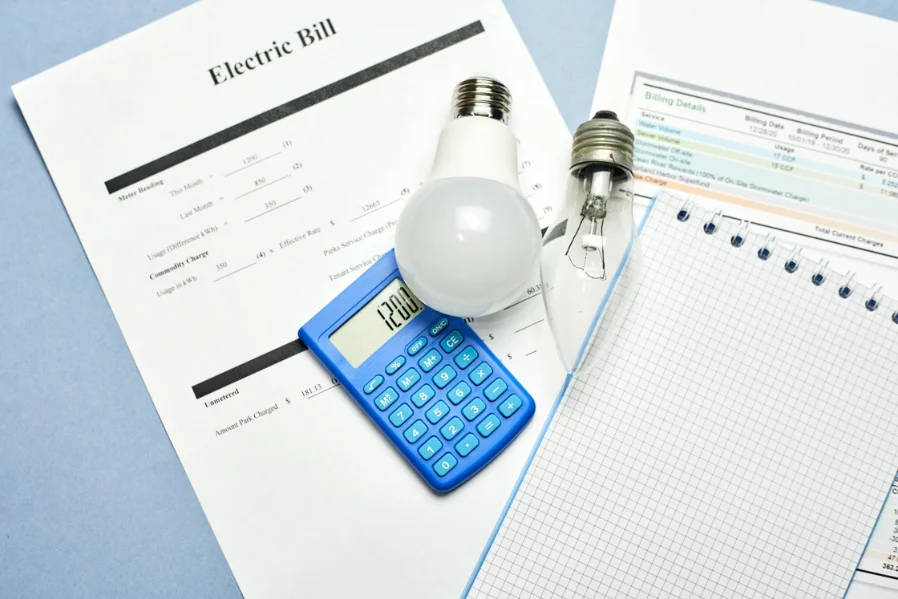
Electricity bills can rise even when your usage stays almost the same. For many homes and businesses in PJM states, part of the reason is not inside the building. It is happening in the electricity market behind the scenes.
One of the biggest factors is the PJM capacity auction. This auction helps determine how much the market pays to keep enough power available for future demand. When PJM capacity prices rise, suppliers may face higher costs, and those costs can eventually affect electricity rates for businesses and homeowners.
For customers in deregulated energy states, this matters because supplier choice and contract timing can make a real difference.
Quick Summary
The PJM capacity auction is a market process that helps make sure enough electricity supply will be available in the future. When demand grows, supply gets tighter, or grid reliability becomes more expensive, capacity prices can increase.
Recent PJM auction results have shown higher capacity costs across the region. These changes may not appear on every bill immediately, but they can influence future electricity offers, especially in deregulated energy markets.
For businesses and homeowners, the practical step is simple: review your current plan, understand your contract timing, and compare available options before market conditions become more expensive.
What Is the PJM Capacity Auction?
PJM Interconnection uses the PJM capacity auction to help maintain future grid reliability.
PJM manages the electric grid across 13 states and Washington, D.C. Its job is not only to support electricity demand today but also to ensure that enough power resources will be available in future years.
That is where the capacity auction comes in.
In simple terms, the auction helps secure power resources before they are needed. These resources are available when electricity demand is high, such as during very hot summer days or cold winter periods.
The auction is not about how much electricity one customer uses in a single month. It is about making sure the grid has enough available supply when many customers need power at the same time.
Capacity vs. Energy: What Is the Difference?
Many customers think electricity cost is only based on usage. Usage is important, but it is not the full picture.
Energy is the electricity you actually use. It is usually measured in kilowatt-hours.
Capacity is different. Capacity is the availability of power resources for future peak demand.
A simple way to understand it:
- Energy is what you use.
- Capacity is what the grid keeps ready.
This matters because a customer can use the same amount of electricity, but still see higher future rates if the cost of keeping reliable power available goes up.
What Happened in the Latest PJM Capacity Auction?
Recent PJM auction results show why this topic is getting more attention.
For the 2026/2027 delivery year, PJM capacity prices reached $329.17 per MW-day across much of the region. That was about a 22% increase from the previous auction year.
PJM also estimated that the higher capacity prices could increase some customer bills by about 1.5% to 5%, depending on the state, utility area, and how costs are passed through.
These numbers do not mean every customer will see the same increase. Electricity bills depend on many factors, including location, supplier, contract type, usage pattern, delivery charges, and state-level rules.
But the auction results do show a clear market signal: the cost of keeping future power supply available has become more expensive.
Why Are PJM Capacity Prices Rising?
Several market pressures are affecting PJM capacity prices. These pressures are connected, and together they can make electricity more expensive to plan and supply.
1. Electricity Demand Is Growing
Electricity demand is increasing across many parts of the U.S. Businesses are using more technology, buildings are relying more on electric systems, and large energy users are adding pressure to the grid.
Data centers are also becoming a major part of the conversation. As cloud computing and AI demand grow, some areas need much more electricity than before.
When demand grows, PJM needs to make sure enough power will be available in the future. If supply does not grow at the same pace, the capacity market can become more expensive.
2. The Market Has Less Extra Room
When the power market has plenty of extra supply, prices tend to be more stable. When the market becomes tighter, reliability becomes more valuable.
A tighter market does not always mean there is an immediate power shortage. It means there is less room for unexpected demand spikes, power plant retirements, fuel issues, or delays in new energy projects.
This tighter balance is one reason capacity auction prices can rise.
3. New Power Supply Takes Time
Higher capacity prices can signal that the market needs more power resources. But building a new generation is not quick.
New energy projects may face permitting, financing, construction timelines, equipment delays, and grid connection requirements. Even when a project is approved, it may take years before it adds meaningful supply.
During that gap, demand can continue growing while new supply is still catching up.
4. Transmission Upgrades Matter More Than Many Customers Realize
Electricity does not only need to be produced. It also needs to move from where it is generated to where it is needed.
That is why transmission upgrades are important.
If power cannot move efficiently into certain areas, the grid may face local reliability challenges. Better transmission can help support reliability, but upgrades take planning, investment, and time.
For customers, transmission problems may not be obvious on a monthly bill. But they can still affect the market conditions behind electricity pricing.
5. Wholesale Electricity Market Costs Can Reach Retail Customers
The wholesale electricity market affects the cost environment that suppliers operate in.
Most homes and businesses do not buy directly from the wholesale market. But electricity suppliers do consider wholesale costs, capacity prices, market risk, and contract timing when they create retail offers.
That is why changes in the capacity auction can eventually influence the rates customers see.
How This Can Affect Businesses
For businesses, electricity is more than a utility bill. It affects margins, operating costs, and budgeting.
A small office, grocery store, restaurant, laundromat, warehouse, or retail location may all use electricity differently. Some businesses use more power during peak hours. Others have heavy refrigeration, HVAC, lighting, or equipment loads.
When market costs rise, businesses may see higher renewal offers or fewer attractive fixed-rate options.
This does not mean every business will be affected the same way. The impact depends on location, supplier, usage pattern, contract structure, and renewal timing.
But it does mean businesses should avoid waiting until the last minute to review energy options.
How This Can Affect Homeowners
Homeowners do not need to follow every detail of the capacity auction. But the basic idea is useful:
If the cost of keeping reliable power available rises, future electricity rates may become more expensive.
For residential customers, capacity-related costs may be built into supplier pricing. A homeowner may not see a separate line item called “PJM capacity auction,” but the market can still influence available electricity plans.
This is why it helps to know whether you are on a fixed rate, variable rate, or month-to-month plan.
Why Deregulated Energy Customers Should Pay Attention
In deregulated energy states, customers may be able to choose their electricity supplier while the local utility still delivers the power.
That choice can be helpful, but it also creates responsibility. Customers need to understand plan terms, renewal dates, rate structures, and market timing.
If market prices are rising, waiting until your contract is almost over may limit your choices. Reviewing options early can give you more time to compare rates and avoid rushed decisions.
This is especially important for businesses with larger usage or multiple locations.
What Businesses Should Do Now
Businesses should not panic because of one auction result. But they should be prepared.
Review your current contract
Check your contract end date, renewal terms, rate type, and early termination language.
If your contract ends in the next few months, start reviewing options now instead of waiting for the final bill cycle.
Look at your usage pattern
Do not only look at your total bill amount. Review how and when your business uses electricity.
Operating hours, seasonal demand, HVAC usage, refrigeration, lighting, and equipment loads can all affect the right energy strategy.
Compare options before renewal pressure
When customers wait too long, they may have fewer choices. Early review gives you more control.
A good comparison should look at price, contract length, supplier terms, usage pattern, and risk tolerance.
Think beyond the lowest rate
The cheapest offer is not always the best fit.
A plan with better stability, clearer terms, or a better match to your usage may be more valuable than a low rate that creates problems later.
A Simple Example
Imagine a small business in a deregulated PJM state such as Pennsylvania, Maryland, New Jersey, Ohio, or Illinois.
The business uses almost the same amount of electricity as last year. The hours are the same. The equipment is the same. The staff is the same.
But when the renewal offer arrives, the price is higher.
This can happen because the market has changed. Suppliers may be pricing in higher capacity costs, tighter supply, higher demand, or wholesale electricity market risk.
The business did not necessarily do anything wrong. It simply renewed in a more expensive market.
That is why electricity planning should happen before the renewal deadline, not after rates increase.
Where Luqon Fits In
Luqon helps homes and businesses review energy options in deregulated markets.
For businesses, this can include reviewing bills, looking at usage, comparing available supplier options, and explaining contract terms in simple language.
For homeowners, it can mean checking whether a current plan still makes sense and comparing available electricity options.
The goal is simple: help customers make clearer energy decisions with less confusion.
Final Thoughts
The PJM capacity auction may sound like a complex market topic, but its impact is practical. When capacity prices rise, the cost of future electricity planning can rise too.
For customers, the best response is not panic. It is preparation.
Review your contract. Understand your usage. Compare your options early. If you need help, Luqon can guide you through the process and help you make a clearer energy decision.
FAQs About the PJM Capacity Auction
What is the PJM capacity auction?
The PJM capacity auction is a market process used to secure enough power resources for future grid reliability. It helps make sure the electricity supply is available when demand is high.
What are PJM capacity prices?
PJM capacity prices are payments made to power resources that commit to being available for future electricity needs.
Is capacity the same as electricity usage?
No. Electricity usage is the power you consume. Capacity is the availability of power resources for future peak demand.
Why do PJM capacity prices increase?
Capacity prices can increase when demand grows, supply becomes tighter, new generation is delayed, transmission constraints exist, or reliability needs become more expensive.
Can the capacity auction affect my electricity bill?
Yes, it can. The effect may not be immediate, but higher capacity costs can influence supplier pricing and future electricity offers.
What is the capacity market?
The capacity market is a system that pays power resources to be available in the future so the grid can remain reliable during high-demand periods.
What is the wholesale electricity market?
The wholesale electricity market is where electricity and related market products are bought and sold before they reach retail customers.
What are transmission upgrades?
Transmission upgrades are improvements to power lines, substations, and grid infrastructure that help move electricity more reliably from generation sources to customers.
Should businesses review their energy plans now?
Yes. Businesses should review their energy contracts before renewal dates, especially when market prices are changing.
Can Luqon help with electricity plan reviews?
Yes. Luqon can help review your bill, compare available options, and explain plan terms so you can make a more informed decision.