Your electricity bill went up. Your usage did not change. So what happened?
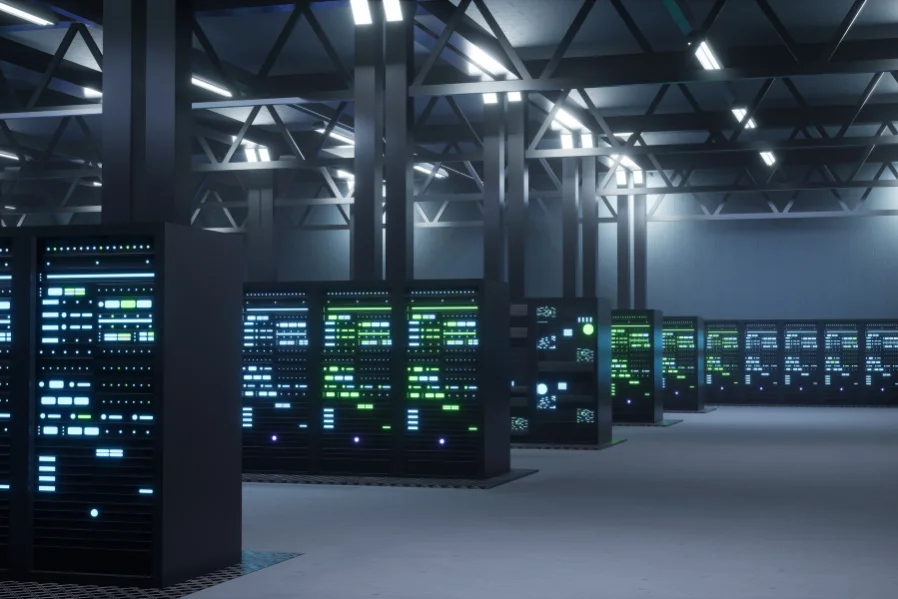
The answer might be a massive building a few miles away, one that runs 24 hours a day, never shuts off, and pulls more power from the grid than 25,000 average homes combined.
That building is a data center. And across Texas, Virginia, Illinois, and Ohio, hundreds of them are coming online right now, putting pressure on the same grid your home and business depend on.
A study published in May 2026 by researchers from NC State University, Carnegie Mellon, and the University of Pittsburgh found that data center electricity demand is likely to increase power costs by up to 57% in some parts of the country by 2030, with a national average increase of 6% to 29%.
Here is what is happening, state by state, and what you can do about it.
Why Data Centers Use So Much Power
Every AI search, every cloud backup, every streaming request runs through a data center. These facilities operate nonstop, servers running, cooling systems blasting, backup generators on standby.
There are over 4,500 active data centers in the U.S. today consuming 176 terawatt-hours of electricity annually, with more than 700 additional facilities currently under construction across 38 states.
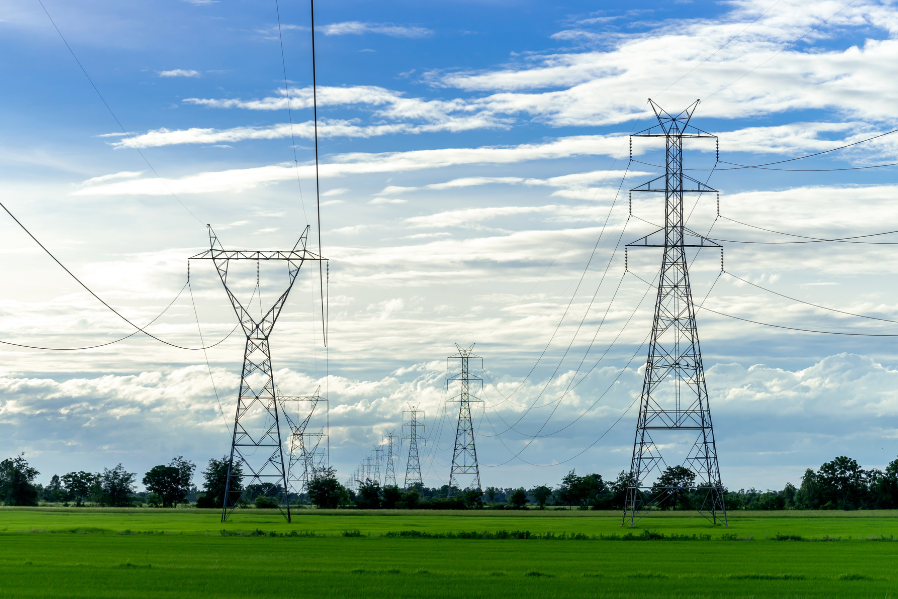
Each new facility connects to your grid. Each one needs upgraded transmission lines, bigger substations, and more generation capacity. And in most states, a portion of that infrastructure cost gets spread across every electricity customer, including you.
The States Feeling It Most Right Now
In Texas, 87% of New Grid Requests Are Data Centers
ERCOT CEO Pablo Vegas told Texas lawmakers that incoming businesses plan to pull 410,000 more megawatts from the Texas grid over the next few years, seven times more than ERCOT handled in 2024, and around 87% of those requests are from data centers.
EIA analysis projects this load growth could push ERCOT electricity prices up by as much as 79% by 2027.
Texas is fully deregulated. You can lock in a fixed rate today, before that 79% becomes your next renewal offer.
Virginia First Rate Hike Since 1992
Data centers in Virginia now consume more than 1 in every 4 kilowatt-hours of the state’s total electricity.
Dominion Energy proposed its first base-rate increase since 1992, adding $8.51 per month per household in 2026, driven directly by infrastructure needed to support data center load growth.
A utility that held its rates flat for 33 years just raised them because of data centers.
Illinois and Chicago, Billions in Grid Upgrades Coming
Chicago is one of the fastest-growing data center markets in the country. Meta, Microsoft, and Google have all made major commitments to the Illinois market.
MISO, which manages the Illinois grid, is projected to experience high data center-driven demand growth through 2027 alongside ERCOT and PJM.
ComEd is investing billions in transmission upgrades to keep up. Those costs move through the system, and Illinois customers in deregulated territory can choose their supplier to protect their supply rate before they do.
Ohio, 64% Congestion Cost Increase in One Year
PJM congestion costs, which directly affect electricity pricing across Ohio and neighboring states, rose 64% in 2024 alone.
Ohio has responded by creating a dedicated rate class that shifts more infrastructure costs directly to data centers instead of spreading them across all ratepayers. A smart step, but broader capacity market pressure remains. Ohio is deregulated, and customers can still act.
Why Your Bill Goes Up Even When Your Usage Stays the Same
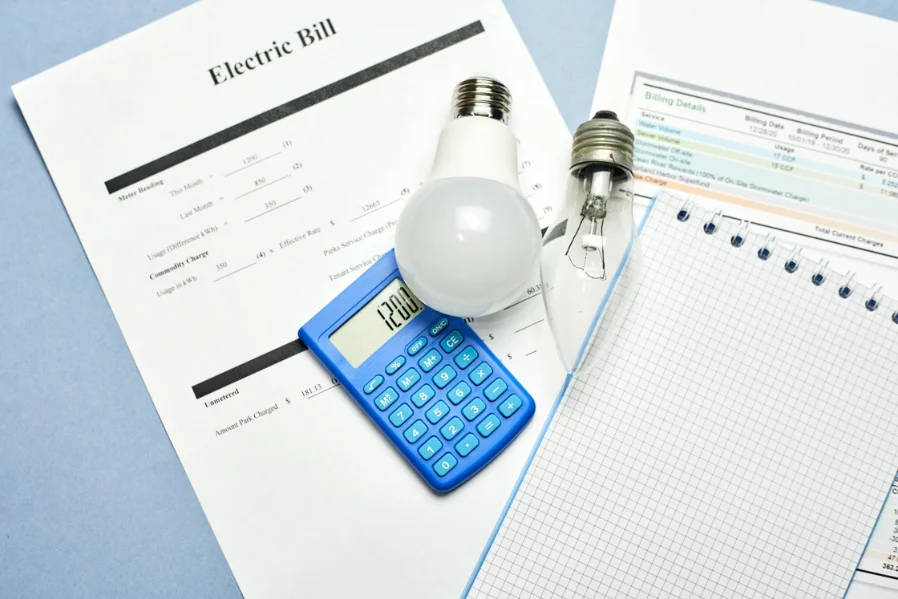
Your electricity bill has two parts:
Supply charge: the cost of electricity itself. In deregulated states, you can shop and lock this in.
Delivery charge: what your utility charges to maintain the grid infrastructure. You cannot shop for this. It is set by your utility.
When data centers require transmission upgrades and new substations, that cost flows into the delivery charge, spread across every customer silently. You will never see a line item called “data center fee.” You will just watch your delivery charge increase year after year.
Texas alone is planning more than $30 billion in transmission upgrades to accommodate data center load growth.
The delivery side of your bill will absorb that cost over time. But the supply side, the part you can control in a deregulated state, does not have to move with the market if you act before your contract expires.
Who Is Paying for the Data Center Boom
The debate over who should pay for grid upgrades caused by data centers is one of the biggest fights in U.S. energy policy right now.
Ohio and Georgia passed policies requiring data centers to pay a larger share of infrastructure costs directly, rather than spreading them to all ratepayers.
Virginia created the GS-5 tariff, requiring large data center customers to cover 85% of transmission capacity costs during their ramp-up period.
Maryland proposed the Protect Maryland Farm Lands Act, requiring a 350% premium above appraised value for farmland acquired through eminent domain for data center infrastructure.
In 2026, lawmakers in more than 30 states introduced over 300 bills related to data centers, including moratoriums, tax incentives, and energy policy reforms.
Policy is moving in the right direction. But it is moving on a legislative timeline, not your billing cycle. The protections being debated today will not show up on your bill for years.
What You Can Do Right Now

If you are a homeowner, check whether you are on a fixed or variable rate. If variable, you are already absorbing market risk with no protection. A fixed-rate plan in a deregulated state locks your supply rate for the contract term, regardless of what data center demand does to the wholesale market.
If you are a business, find your contract expiration date today. If you are within 90 days of renewal on a variable or default utility rate, you need to compare options now, not when the renewal notice arrives. The businesses that lock in before the market reprices will have a real cost advantage.
Luqon helps homes and businesses across deregulated states compare electricity plans at no cost and no obligation. We review your bill, explain your options, and help you make the right call.
Final Thoughts
Data centers are not going away. They power the apps, tools, and AI platforms people use every day. But the electricity cost of that infrastructure is real, and in states like Texas, Virginia, Illinois, and Ohio, it is already showing up on household and business electricity bills.
The grid is changing. Your bill does not have to change with it, not if you use the rights a deregulated market gives you.
Review your plan. Know your expiration date. Compare your options while the market still gives you good ones. Start your free comparison with Luqon today.
Frequently Asked Questions
Why did my electricity bill go up if my usage stayed the same?
Your bill includes a delivery charge, set by your utility to maintain grid infrastructure. When data centers require transmission upgrades and new substations, those costs flow into the delivery charge for all customers. Your usage staying flat does not prevent delivery charges from rising. In deregulated states, you can shop for your supply rate to offset the impact.
What states are affected most by data center electricity demand?
Price increases are projected to be most pronounced in Virginia, Pennsylvania, Maryland, Delaware, New Jersey, West Texas, Ohio, West Virginia, and New York. All of these are states with deregulated electricity markets where customers can choose their supplier.
What is load growth, and why does it matter?
Load growth is the increase in total electricity demand on the grid. When it grows rapidly, as it is now in data center-heavy states, utilities must invest in new generation and transmission infrastructure. Those costs are recovered through delivery charges paid by every ratepayer in the system.
What are transmission upgrades, and who pays for them?
Transmission upgrades are improvements to power lines and substations that allow electricity to move reliably from generators to customers. When data centers connect to the grid, these upgrades are often required. The cost is typically spread across all ratepayers through regulated delivery charges.
How can I protect myself from rising electricity costs?
If you are in a deregulated state, compare and lock in a fixed-rate electricity supply plan before your current contract expires. A fixed rate protects your supply charge from market increases for the length of the contract. Luqon can walk you through the options at no cost.
Which states have deregulated electricity markets?
Texas, Illinois, Pennsylvania, Ohio, New Jersey, New York, Maryland, Virginia (partial), Connecticut, Massachusetts, Maine, New Hampshire, Rhode Island, Delaware, and Washington D.C.