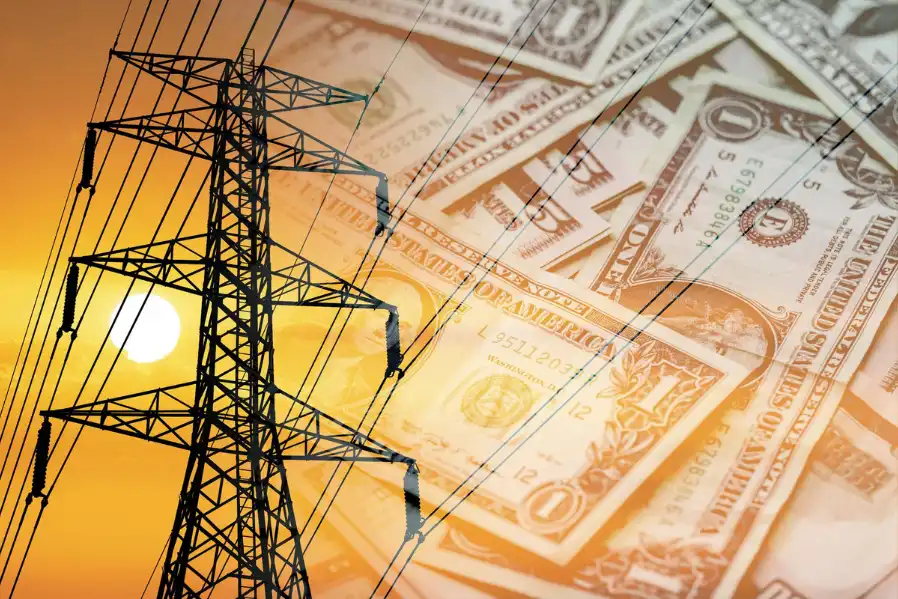
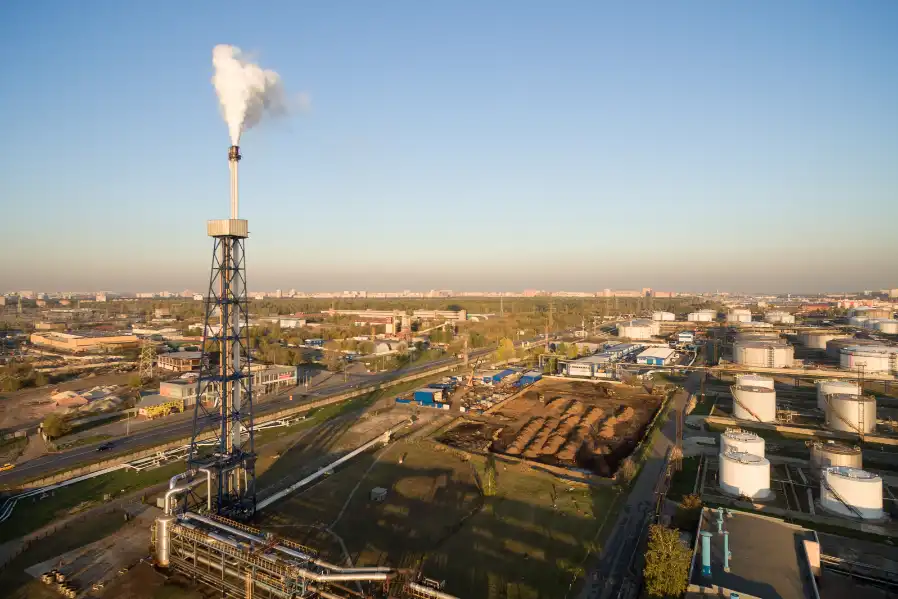
In Texas, energy is not a background utility. It is the backbone of everyday business continuity. For motels, hospitals, gas stations, laundries, and retail marts, power reliability directly impacts customer trust, safety, revenue, and reputation. As demand rises and operational margins tighten, energy strategy is becoming a boardroom conversation, not a maintenance issue.
This is where operational resilience meets strategic thinking.
Why These Industries Feel Energy Pressure First
Unlike large industrial plants with dedicated energy teams, these businesses operate on thin margins and constant uptime. A short outage doesn’t just pause operations; it disrupts service, erodes confidence, and creates real financial loss.
Texas’s independent grid, overseen by the Electric Reliability Council of Texas(ERCOT), offers flexibility and market-driven pricing, but it also places responsibility on businesses to plan for volatility, peak demand, and extreme weather events.
Powering Everyday Operations
Industry-Specific Energy Realities
Motels & Hospitality
For motels, energy is inseparable from guest experience.
- 24/7 HVAC, lighting, hot water, and digital services
- Seasonal demand spikes during extreme heat or cold
- Reputation risk from outages or discomfort
Smart load management and efficient systems help protect both occupancy rates and reviews.
Hospitals & Healthcare Facilities
Energy in healthcare is a non-negotiable necessity.
- Life-saving equipment must run without interruption
- Backup power is critical, not optional
- Cooling, sterilization, and monitoring systems drive high loads
Hospitals now view energy resilience as part of patient safety and compliance, not just infrastructure.
Gas Stations & Fuel Stations
Modern fuel stations are no longer just pumps.
- Payment systems, refrigeration, lighting, and security
- EV charging stations are increasing the power demand
- Revenue loss within minutes of downtime
Reliable, optimized energy systems ensure continuous sales and customer flow.
Commercial Laundries
Laundries are among the most energy-intensive small businesses.
- High electricity and gas usage
- Water heating and drying cycles
- Cost sensitivity is tied directly to utility bills
Energy efficiency directly translates into profit protection.
Marts, Cash & Carry, and Convenience Retail
Retail operations depend on:
- Refrigeration and cold storage
- Lighting and POS systems
- Extended operating hours
Energy instability impacts inventory integrity and daily revenue, making proactive planning essential.
Related Resource: How Businesses Can Cut Energy Costs Without Compromising Productivity
The Shift from Cost Center to Competitive Advantage
Across these sectors, energy is evolving from a fixed expense into a strategic lever. Forward-thinking businesses are adopting:
- Energy audits to uncover hidden inefficiencies
- Smart meters and real-time monitoring
- Hybrid power setups (grid + solar + backup systems)
- Demand-response strategies to reduce peak costs
The goal is no longer just savings; it’s operational certainty.
Resilience Is the New ROI
In Texas, resilience delivers measurable returns:
- Reduced downtime
- Predictable operating costs
- Better customer trust
- Long-term scalability
Businesses that invest early in intelligent energy solutions are better positioned to handle growth, climate stress, and market shifts.
For motels, hospitals, gas stations, laundries, and marts, the future belongs to operators who ask smarter questions:
- How vulnerable is my operation to energy disruption?
- Where am I over-consuming without realizing it?
- How can energy planning support growth rather than restrict it?
Energy strategy is no longer about keeping the lights on.
It’s about keeping the business running, confidently, consistently, and competitively.
Luqon Inc. partners with energy-dependent businesses across Texas to design reliable, cost-efficient, and future-ready energy solutions. With a consultative, industry-first approach, Luqon helps motels, hospitals, gas stations, laundries, and retail marts strengthen operational resilience, optimize energy usage, and turn power infrastructure into a long-term competitive advantage.