
Many Houston residents and business owners are noticing the same frustrating trend: electricity bills are rising even when their daily usage hasn’t changed much. This has led to confusion, concern, and a common question: What’s really driving the increase?
The truth is, electricity pricing in Houston is no longer just about how much power you consume. Several structural, market, and regulatory factors are quietly reshaping monthly bills.
Let’s break it down in a simple, clear way.
1. Higher Transmission and Delivery Charges
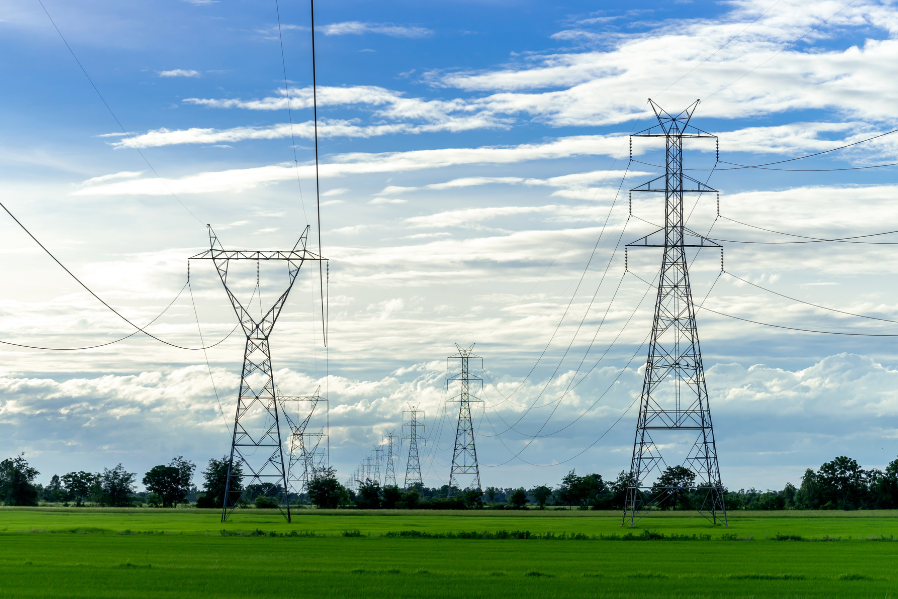
One of the biggest contributors to higher electricity bills in Houston is an increase in transmission and delivery fees. These charges are set by the local utility provider and cover the cost of maintaining poles, wires, substations, and grid infrastructure.
Even if you switch electricity providers or reduce your usage, these delivery charges still apply. Recent fee adjustments mean customers are paying more per kilowatt-hour simply to receive electricity, regardless of how efficiently they use it.
This is why many households see higher bills even in months with normal or lower consumption.
2. Grid Upgrades and Infrastructure Investment
Texas has faced multiple grid-related crises over the past few years, from extreme heat waves to historic winter storms. As a result, utilities are investing heavily in strengthening the power grid.
These upgrades include:
- Reinforcing aging infrastructure
- Expanding grid capacity for population growth
- Improving resilience against extreme weather
While these investments are necessary for long-term reliability, a portion of the cost is passed on to customers through higher rates and fees. In simple terms, customers are helping fund a more stable grid. But it shows up as higher monthly bills.
3. Weather-Driven Demand and Seasonal Pressure
Houston’s climate plays a major role in electricity costs. During prolonged heat waves, air conditioners run longer and harder, pushing demand across the grid.
When demand spikes:
- Power generation becomes more expensive
- Utilities must secure an additional supply
- Grid management costs increase
Even short periods of extreme heat can raise average electricity prices, affecting bills across the region.
4. Fuel and Market Price Fluctuations
Texas relies heavily on natural gas to generate electricity. When natural gas prices rise, electricity production becomes more expensive.
These fluctuations are often caused by:
- Global energy market shifts
- Supply chain constraints
- Seasonal demand changes
Electricity providers adjust pricing to reflect these increased costs, which eventually reach consumers.
Read More: Why Is My Electric Bill So High?
5. Regulatory and Reserve Capacity Costs
After major outages in the past, Texas introduced new requirements to keep additional reserve power available. These reserves help prevent blackouts during high-demand periods, but maintaining them comes at a cost.
While this improves grid stability, it also adds another layer of expense that gets built into electricity pricing.
The Bigger Picture
Houston electricity bills are increasing not because of a single issue, but because of multiple forces working together:
- Rising delivery and grid fees
- Long-term infrastructure investments
- Extreme weather patterns
- Fuel price volatility
- Regulatory safety measures
Understanding these factors helps explain why bills are higher. even when usage feels unchanged.
What You Can Do Next
While some costs are unavoidable, consumers can still take practical steps to manage their bills:
- Review your electricity plan and pricing structure
- Improve home or business energy efficiency
- Shift heavy electricity use to off-peak hours
- Monitor usage patterns during extreme weather
Knowledge is the first step toward control.
Final Thought
Electricity pricing is becoming more complex, but clarity helps you make smarter decisions. Whether you’re managing household expenses or operating a business in Houston, understanding why your bill is rising puts you in a stronger position to plan ahead.